


Description
Glutathione is a small but very important molecule your body makes naturally. Think of it as your body’s master antioxidant.
What it is
- A tripeptide made of three amino acids: glutamate, cysteine, and glycine
- Found in almost every cell, especially high in the liver
What it does
- Neutralizes free radicals (oxidative stress)
- Detoxifies the body (helps the liver process toxins, drugs, alcohol)
- Supports immune system function
- Helps with cell repair and DNA protection
- Plays a role in energy metabolism
- Recycles other antioxidants like vitamin C and E
Reduced vs oxidized
- GSH (reduced glutathione) – the active, protective form
- GSSG (oxidized glutathione) – after it neutralizes damage
A high GSH/GSSG ratio = good cellular health.
Why people talk about it so much
- Levels drop with age, stress, pollution, alcohol, illness
- Often mentioned in contexts of:
- liver health
- recovery / anti-aging
- skin brightening (melanin inhibition)
- neurological support
General dosage ranges (by form)
Oral glutathione (capsules/tablets)
Typical supplemental range:
- 250–500 mg per day
- Sometimes up to 1,000 mg per day, usually split into two doses
Absorption is variable, which is why higher oral doses are often used. Taking it on an empty stomach is commonly recommended.
Liposomal glutathione
Because absorption is better:
- 100–400 mg per day is often sufficient
Usually taken once daily, sometimes split.
Intravenous (IV) glutathione
This is a medical procedure, not a supplement.
- Common clinical ranges: 600–1,200 mg per session
- Administered 1–2 times per week
- Used under medical supervision (e.g. liver support, chemotherapy adjuncts, Parkinson’s research contexts)
Precursors instead of glutathione
Many practitioners prefer supporting endogenous production:
- N-acetylcysteine (NAC): 600–1,200 mg per day
- Often combined with glycine (1–3 g/day) and adequate protein intake
This approach is frequently used long-term.
Cycles and duration
There is no universally required “cycle”, but common approaches include:
Short supportive cycles
- 4–8 weeks
- Used during periods of high stress, illness recovery, toxin exposure, or travel
Medium cycles
- 8–12 weeks
- Often followed by a break of 2–4 weeks, especially with higher oral doses
Long-term use
- More common with precursors (NAC + glycine) rather than direct glutathione
- Many people take NAC continuously with periodic reassessment
IV glutathione is almost always done in limited courses, not continuously.
Safety and cautions
- Glutathione is generally well tolerated
- Possible side effects: mild bloating, cramping, headache (more common orally)
- Very high or prolonged doses may downregulate the body’s own synthesis in some individuals (theoretical concern, not conclusively proven)
- People with asthma, chemotherapy treatment, or chronic illness should use it only under medical guidance
It should not be treated as a detox “flush” or megadose compound.
Practical takeaway
- Start low, especially with liposomal or IV forms
- For most non-clinical use, supporting production (NAC, nutrition, sleep) is more sustainable than pushing high glutathione doses
- Cycles are optional, but breaks make sense if using higher doses or multiple antioxidants together
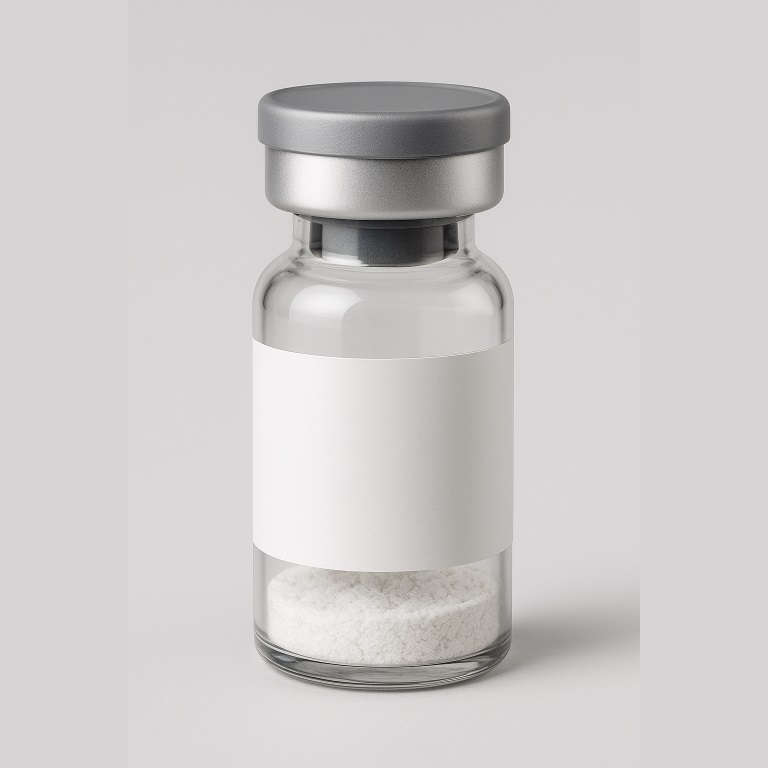
Glutathione powder in a sealed vial is almost always intended for injection (IV or IM) after reconstitution with sterile water or saline. That doesn’t make it chemically different from oral glutathione, but it does mean:
- it’s formulated for sterility, not taste or digestion
- dosing assumptions are usually parenteral, not oral
- no excipients to protect it from stomach acid
Can you take it orally anyway?
Technically: yes.
Practically: it’s inefficient.
If you dissolve glutathione powder in water and drink it:
- a significant portion will be broken down in the stomach and intestines
- absorption into the bloodstream is unpredictable
- the taste is often very unpleasant (sulfurous, bitter)
This is why oral glutathione capsules often use:
- higher doses
- liposomal encapsulation
- enteric strategies
A vial powder has none of those advantages.
Safety considerations
From a chemical toxicity standpoint:
- glutathione itself is generally safe orally
From a use-context standpoint:
- injectable-grade products are not tested or labeled for oral use
- there’s no guarantee of stability once dissolved and exposed to air
- dosing accuracy orally is unclear
So while it’s unlikely to be dangerous in small amounts, it’s also not an evidence-based or recommended route for that specific form.
Reviews
There are no reviews yet.