


 Price List !!!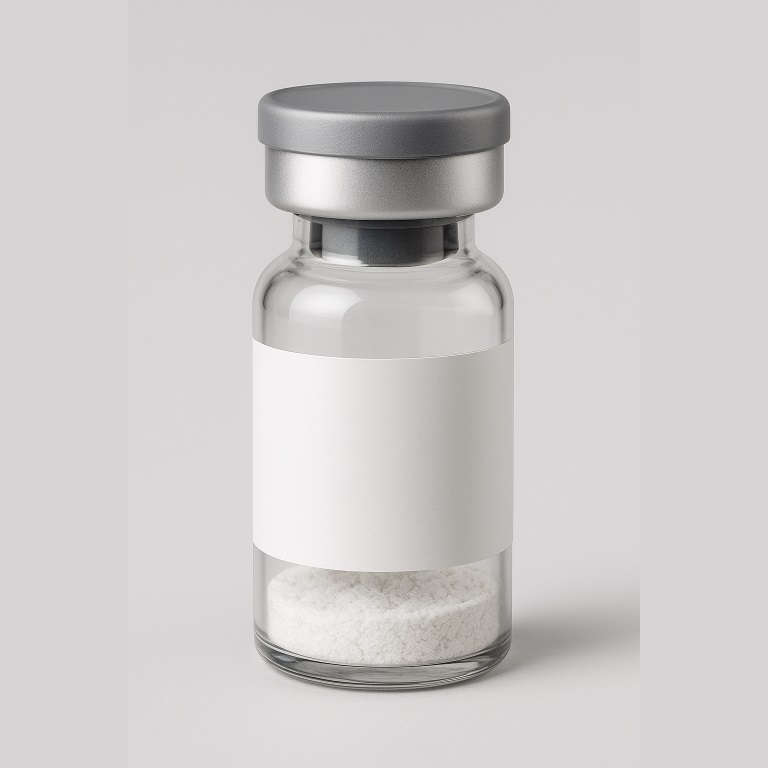
Description
What Adamax Is
Adamax is described in publicly available sources as a synthetic peptide and a structural derivative of Semax. It is often characterized as a modified peptide containing an acetyl group at the N-terminus and an adamantyl component or similar lipophilic modification intended to increase stability, prolong its activity, and potentially make it more effective at crossing the blood–brain barrier compared to Semax. In marketing-oriented descriptions, Adamax is presented as a “next-generation” nootropic peptide aimed at supporting cognitive and neurological functions. It is important to note that most of these descriptions originate from commercial vendors rather than independent research bodies.
Claimed Effects and Proposed Mechanisms
Online sources, especially peptide suppliers and nootropic websites, attribute a range of potential benefits to Adamax. These include cognitive enhancement, such as improved memory, learning ability, concentration, and mental clarity. Some sites claim that Adamax increases the expression of brain-derived neurotrophic factor (BDNF), which plays a key role in neuronal growth, synaptic plasticity, and long-term memory formation.
Other suggested effects include neuroprotection, increased neuronal resilience, and potential support against oxidative stress or inflammatory processes. Some vendors also promote Adamax as beneficial for mood regulation or stress adaptation. In addition, a few sources mention possible supportive effects in physical recovery and endurance, although the evidence for this is even more limited.
These claims derive primarily from theoretical mechanisms (e.g., the known properties of Semax, the potential impact of adamantyl modifications) and marketing interpretations rather than published scientific data. Robust, peer-reviewed evidence demonstrating these effects in humans is not available.
Hypothesized or investigated effects:
- Cognitive enhancement: Some claim Adamax can improve memory, learning, focus, mental clarity.
- Neuroprotection & neuron support: It is sometimes said to support neuronal survival, possibly promoting neurogenesis or strengthening neuron resilience.
- Modulation of neurotrophic pathways: In particular, increasing levels or activity related to Brain‑Derived Neurotrophic Factor (BDNF) and possibly sensitising or engaging its receptors (e.g. TrkB) — which are tied to synaptic plasticity, brain health, and learning/memory.
- Potential “nootropic / mood / cognitive resilience” effects: By acting on neurotransmitter systems or neuro-protective pathways, there are claims (though largely anecdotal or unverified) that Adamax could influence mood, stress response or cognitive resilience.
Limitations and Lack of Reliable Evidence
While the theoretical pharmacological rationale behind Adamax may be sound, especially considering its relationship to Semax, there is a significant lack of peer-reviewed scientific data. No credible human clinical trials appear to be published regarding its efficacy, safety, or long-term effects. This absence of formal studies makes it difficult to verify any of the claimed benefits.
In addition, the legal status of Adamax is unclear in many jurisdictions. In some places, it is considered a research chemical or even a designer drug. It is generally not approved as a pharmaceutical product for human medical use.
Possible Side Effects and Safety Concerns
Because Adamax is not clinically approved and lacks formal study, its safety profile is not well established. Reported side effects are largely anecdotal and appear on user forums or vendor disclaimers. These include anxiety or nervousness (often linked to excessive doses), headaches, dizziness, fatigue, and general discomfort. If administered by injection, typical injection-site issues may also occur.
There is no reliable information on long-term risks, toxicity, or the potential impact on organ systems such as the liver, kidneys, or endocrine system. Any assumptions about safety should be approached with caution due to the absence of controlled studies.
Distribution and Availability
Adamax is typically sold online through peptide vendors, often with labels such as “for research use only” or “not for human consumption.” It is commonly distributed as a lyophilized (freeze-dried) powder in small vials. To use it, the powder is usually reconstituted in sterile or bacteriostatic water.
Some vendors prepare it in formulations suitable for intranasal administration, delivered via atomizer, and market this as the primary method. Others sell it for subcutaneous injection after reconstitution. The supply chain is not tightly regulated, and quality, purity, and dosage accuracy cannot be guaranteed.
Dosage Patterns Found in Informal Sources
Because Adamax lacks official medical approval, there are no standardized dosages. The only available guidance comes from commercial vendors or anecdotal user reports. Suggested intranasal dosages range between approximately 50 to 300 micrograms per day, usually taken in the morning. Some sources claim higher upper limits, including up to 2 mg per day, but these numbers are not based on scientific research and should be treated with skepticism.
For subcutaneous injection, the recommended amounts vary widely, and no authoritative protocol exists. Users are often told informally to “start low and increase gradually,” though this advice is informal and not tied to clinical evidence.
Caveats and Considerations
All information about Adamax should be interpreted with caution. The majority of what is known comes from vendors, marketing materials, and anecdotal reports. Without rigorous scientific trials, none of the claims about cognitive enhancement, mood effects, neuroprotection, or physical recovery can be confirmed.
There are also concerns about product purity, contamination, and accuracy of labeling when peptides are purchased from unregulated suppliers. The long-term safety profile remains completely unknown. Legal restrictions may apply depending on the country.
In summary, Adamax is an experimental compound with theoretical promise but very limited scientific support. While it is marketed as a potent nootropic, its actual effects, safety, and long-term implications are not established.
Reviews
There are no reviews yet.