


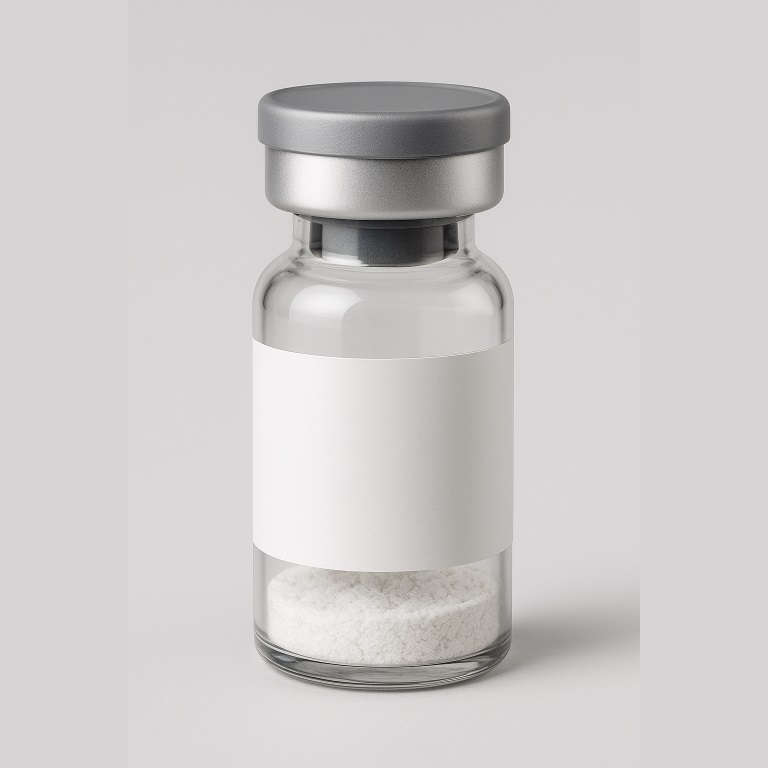
Description
Cerebrolysin is a neuropeptide preparation used as a nootropic and neuroprotective drug, mainly in parts of Europe and Asia.
What it is
- Cerebrolysin is not a single peptide, but a mixture of small peptides and amino acids
- It is produced by enzymatic breakdown of purified pig (porcine) brain proteins
- The peptides are low-molecular-weight, which allows them to cross the blood–brain barrier
What it’s supposed to do
Cerebrolysin is designed to mimic natural neurotrophic factors (like NGF, BDNF), which support neurons.
Proposed effects:
- 🧠 Neuroprotection (protects neurons from damage)
- 🔁 Neuroplasticity (supports synapse formation and repair)
- 🌱 Neurotrophic action (supports neuron survival and growth)
- ⚡ Metabolic support for brain cells
Medical uses (varies by country)
It is prescribed or used experimentally for:
- Stroke recovery
- Traumatic brain injury (TBI)
- Alzheimer’s disease and other dementias
- Cognitive impairment
- Sometimes in pediatric neurology (controversial)
How it’s administered
- Injection only (intravenous or intramuscular)
- Not effective orally (peptides would be digested)
Scientific status
- There are clinical studies showing potential benefits, especially in stroke and dementia
- However, it is not FDA-approved (USA)
- Considered controversial in evidence-based medicine due to mixed trial quality
Important notes
- It is not a dietary supplement
- Side effects can include headache, agitation, dizziness, fever
- Because it’s derived from animal tissue, manufacturing quality matters a lot
Typical Dosages (from clinical use)
🔹 Cognitive impairment / dementia
- 5–10 ml per day
- Intramuscular (IM) or slow intravenous (IV)
- Course: 10–20 consecutive days
- Cycles: 1–2 courses per year (sometimes up to 3)
🔹 Stroke (acute or recovery phase)
- 10–30 ml per day
- Usually IV infusion (slow)
- Course: 10–20 days
- Sometimes followed by a maintenance course months later
🔹 Traumatic brain injury (TBI)
- 10–30 ml per day
- IV preferred
- Course: 10–20 days
- Repeated cycles possible during rehabilitation
🔹 Mild cognitive / asthenic conditions
- 5 ml per day
- IM
- Course: 10 days
Cycles & Repetition
- Standard cycle: 10–20 injections
- Break between cycles: 3–6 months
- Long-term use is usually cyclic, not continuous
Cerebrolysin is not meant to be used daily for months without breaks.
Administration rules (important)
- IM injections usually ≤5 ml per site
- IV doses >10 ml must be diluted (e.g., saline) and infused slowly
- Never mixed with amino acid solutions
- Injection should be slow to reduce side effects
Side effects (dose-related)
More likely at higher doses:
- Agitation, restlessness
- Headache
- Dizziness
- Fever-like symptoms
- Rarely: allergic reactions
This is why slow infusion and correct cycling matter.
Important note:
1 ml of Cerebrolysin solution contains:
- 215.2 mg of Cerebrolysin concentrate
- This concentrate is obtained from ~1 g of fresh porcine brain proteins
- Plus water for injection (no preservatives)
So, if you are asking “how many mg of active substance are in 1 ml?” →
➡️ 215.2 mg / ml
Important clarification (this often causes confusion)
- Cerebrolysin is not dried powder reconstituted into solution
- It is a liquid peptide hydrolysate
- The 215.2 mg is the total mass of all peptides + free amino acids, not a single active compound
There is no standardized “powder form” where you could say “X mg powder = 1 ml”.
What that 215.2 mg actually is
- Mixture of:
- short neuropeptides (mostly <10 kDa)
- free amino acids
- Only a fraction of that mass is neurotrophically active peptides
(exact proportions are proprietary)
This is why:
- You cannot meaningfully convert Cerebrolysin to mg-based dosing like noopept or semax
- Dosing is always expressed in ml, not mg
Example for scale
- 5 ml dose → ~1,076 mg peptide/amino acid mixture
- 10 ml dose → ~2,152 mg
- 30 ml dose → ~6,456 mg
But again: these numbers are descriptive, not interchangeable with other peptides.
In 1000 mg of Cerebrolysin peptide/amino acid mixture:
👉 ~50–200 mg are short peptides
👉 ~800–950 mg are free amino acids and very small fragments
So the peptide fraction is roughly 5–20% by mass.
Important:
The information provided above is for educational and informational purposes only. It is not medical advice and should not be used as a substitute for professional diagnosis or treatment.
Cerebrolysin is a prescription injectable medication with specific indications, dosing protocols, and potential risks. Improper use may cause adverse effects or serious health complications.
Before considering use, read all information carefully and consult a qualified healthcare professional (such as a physician or neurologist) to determine whether it is appropriate for your individual condition.
Do not self-medicate or alter dosing without medical supervision.
Reviews
There are no reviews yet.